.svg)
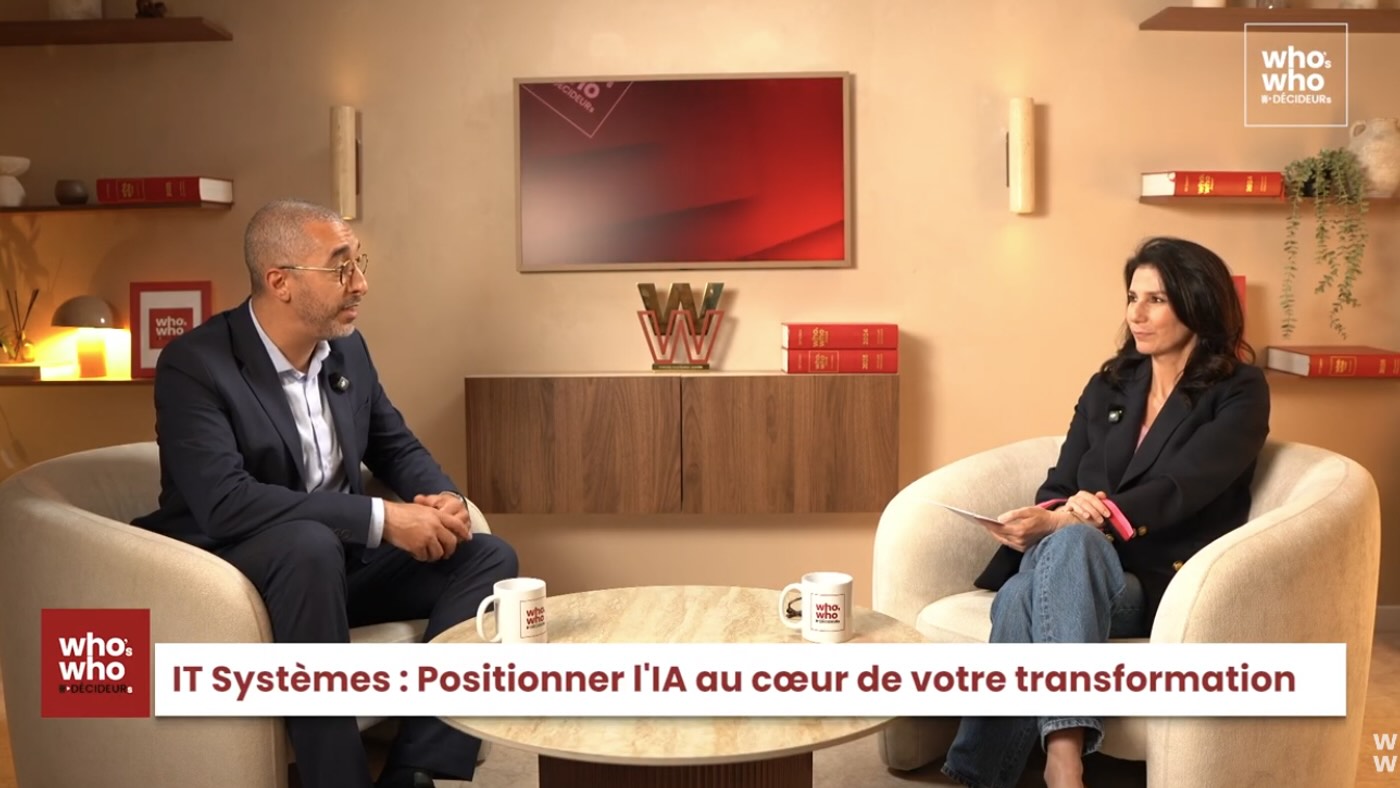
IT Systèmes in Les Échos: Samir Amara on hyper-development
Samir Amara, CEO of IT Systèmes, was a guest on Who's Who Décideur for Les Échos. During the interview, he made a compelling case: thanks to AI, business software that was once reserved for large corporations is now becoming accessible to small and medium-sized businesses. Here’s a look back at the highlights of the interview, which you can watch in the video below.
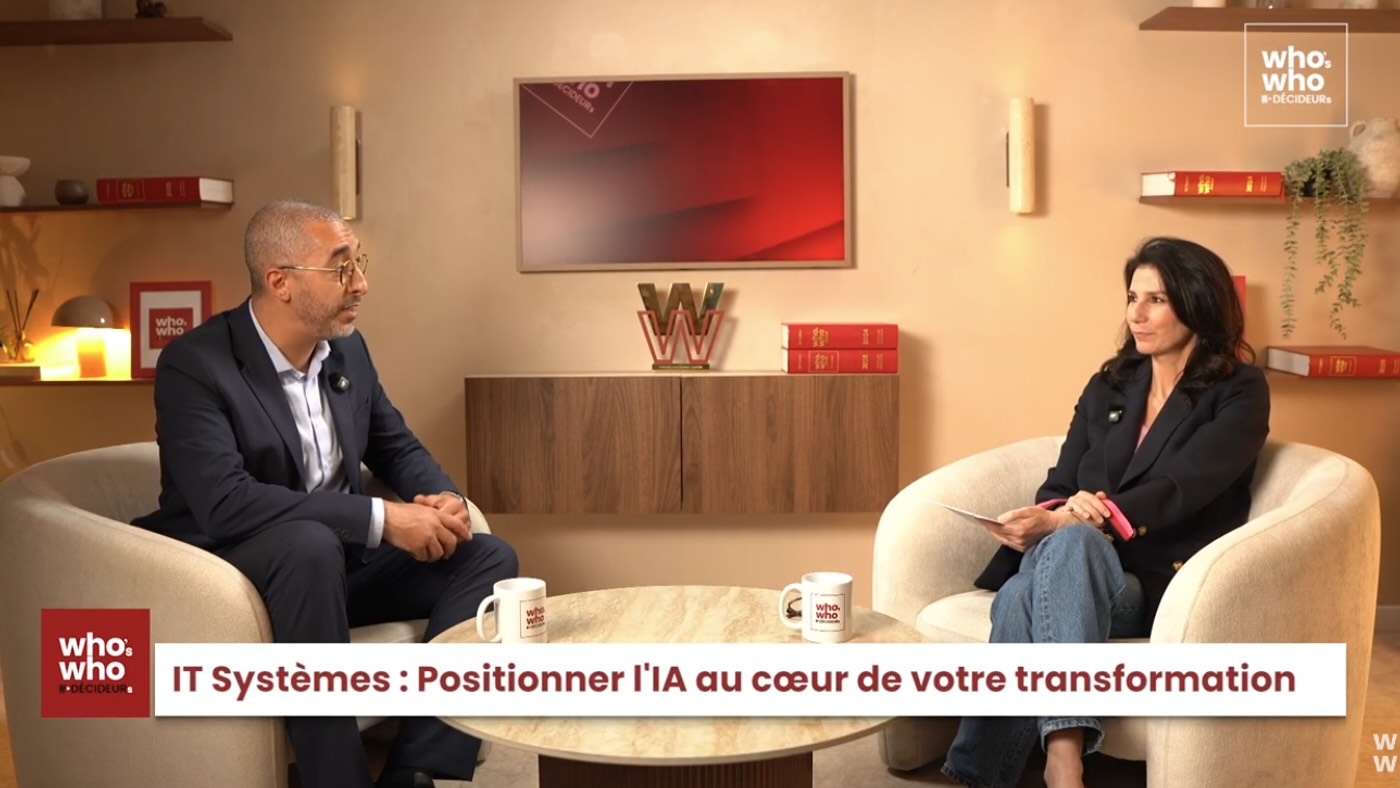
Read the full interview with Samir Amara on leschos.fr and whoswho.fr.
“We know SaaS very well”: Fifteen years before the shift
For fifteen years, IT Systèmes has been selling SaaS to its customers. And for good reason: it works. For a small business or a highly standardized operation, subscription-based software covers most needs at a minimal upfront cost. It’s hard to beat that.
The problem arises when a company has expertise that goes beyond the norm. Most small and medium-sized businesses operate using SaaS tools designed for the general public. These solutions cover the basics but leave out some of the truly specific business processes. The gaps are then filled with Excel spreadsheets, internal forms, and manual workarounds.
On top of that, there are three challenges that every manager is familiar with:
- recurring subscriptions that continue as long as the tool is in use;
- additional custom development, billed separately, tailored to each specific need;
- technical dependence on the software vendor. Switching providers? You often have to start from scratch.
This model, long considered the only reasonable approach, is now being challenged by the application of AI to software development.
Hyper-development: reducing lead times by a factor of thirty
IT Systèmes’ philosophy is simple: to design applications that are 100% tailored to each client’s processes, and to pass on the resulting productivity gains directly to our pricing.
That’s where the real turning point lies. For years, executives were told that custom development was a luxury: too time-consuming, too expensive, and reserved for companies with six-figure budgets. Hand-coding each line of code was costly, and it was this human cost that made custom development inaccessible.
AI is shifting this focus. Time is no longer spent writing code, but rather on understanding the business and modeling business processes. The code itself is generated automatically by AI agents.
Samir Amara talks about"hyper-development ": internal R&D processes that, according to him, can reduce software development time by a factor of thirty. In practical terms, this means that CRM systems and business tools that were previously out of reach for small organizations are now becoming accessible. For concrete figures, the cost of custom software, actual timelines, and a detailed methodology, we have published this comprehensive article that expands on what Samir Amara discusses here.
In terms of cost, the article in Les Échos provides a telling comparison: some companies are now obtaining custom ERP systems for five to seven times less than the quotes they received a few years ago, without the recurring subscription fees that come with traditional solutions.
“This marks the end of the subscription business model and generic solutions—companies must adapt.” Samir Amara, Les Échos
How to tell if your business is affected
In the interview, Samir Amara doesn’t pit SaaS against custom solutions; instead, he offers a simple framework for understanding the options. The question isn’t “which one is better,” but “which one is right for my business.”
A subscription makes sense if your business operations are standardized, in line with industry practices, and do not involve any unique expertise that the tool would need to accommodate, and if you are primarily looking for a low upfront cost and a quick setup.
Custom solutions are the way to go if your company has a unique identity, if you’re already tinkering with your current software (Excel, forms, workarounds), if you want to own your tool rather than rent it indefinitely, and if your independence from a software vendor is important to you.
It’s worth noting that these two approaches are not mutually exclusive: it’s possible to develop a custom SaaS solution for your business that combines a subscription model with a tool tailored to your processes.
Here’s a technical point that matters for the future: at IT Systèmes, the delivered code belongs to the client and is developed using clean architecture—precisely to ensure independence from any service provider. You’re not tied down.
Your data stays with you: the challenge of AI agents
It’s a legitimate concern, and many executives voice it: by using AI, won’t my expertise simply vanish?
Samir Amara’s distinction is useful. When you use consumer-grade generative AI, you’re feeding a model that doesn’t belong to you: your prompt history, your approach, and your expertise all go to feed a third-party tool. You don’t capitalize on any of it.
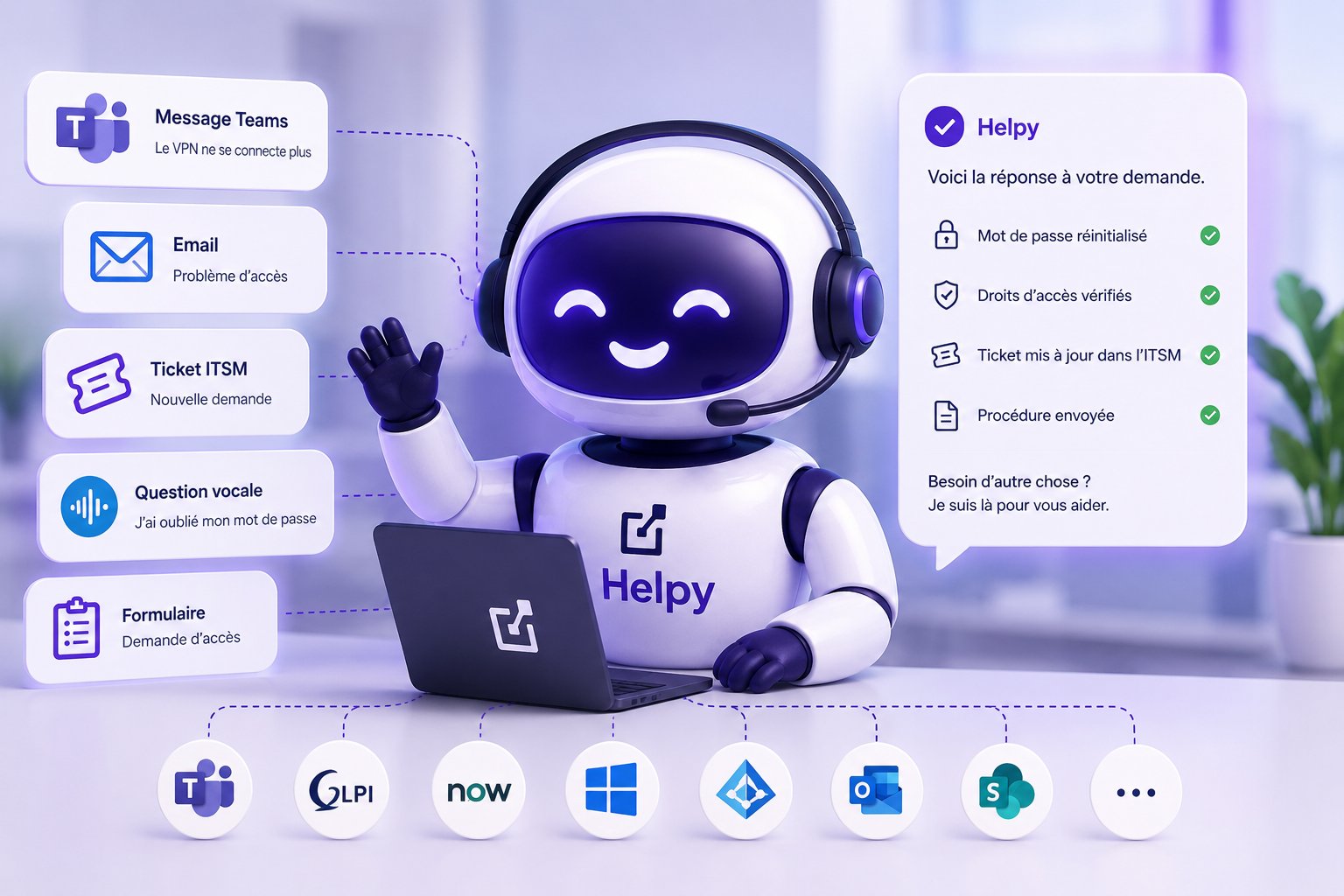
The goal is to develop custom AI agents that remain within the company. The more you use them, the better they adapt to your actual needs. And most importantly, the data history remains your property. The AI ultimately accumulates and highlights your expertise—not everyone else’s.
This leads to an idea that Samir Amara puts forward for the years ahead: in the future, a company’s value will be determined not only by its client portfolio, but also by its AI and all its processes. This is a point to keep in mind for any executive who is considering handing over or selling their company one day.
A free V0 to clear up any doubts
There remains one very real obstacle: when we announce that development costs have been reduced by a factor of thirty, customers find it hard to believe. That’s understandable, after years of being told it was impossible.
IT Systèmes’ approach is straightforward: we develop a free, fully functional initial version of the application—a V0 —based on the client’s specifications. Not a generic demo, not a mockup: a working version based on your actual needs. This lets you test the solution before committing and verify for yourself that “hyper-development” isn’t just another sales pitch. For a concrete example of how this works in a regulated industry, check out this law firm management software delivered in 30 days.
Key takeaways from the interview
Samir Amara’s message in *Les Échos* boils down to a simple shift: AI doesn’t take away choice—it restores it. For standardized operations, subscription models remain entirely relevant. But for companies that have expertise to protect and leverage, custom business software is no longer an unattainable luxury.
His most straightforward take on the matter is this: a company that fails to adopt AI won’t disappear because of AI itself, but because a competitor that has adopted it will take its place. The window of opportunity is narrow, and the advantage goes to those who act first.
Want to get to the bottom of your situation? IT Systèmes will develop a functional V0 version based on your specifications—free of charge. Discover our custom business software solutions or our industry-specific AI agents.
Source: Interview with Samir Amara in Who's Who Décideur for Les Échos. Read the full interview at lesechos.fr and watch the replay at whoswho.fr.

.jpg)


.svg)