.svg)
From ticket handling to incident prediction
For years, IT outsourcing has been measured by a single metric: how quickly tickets are resolved. This model is reaching its limits. Information systems have become more complex, and the number of areas requiring attention has multiplied—the cloud, workstations, business applications, security—and reactive support can no longer keep up.
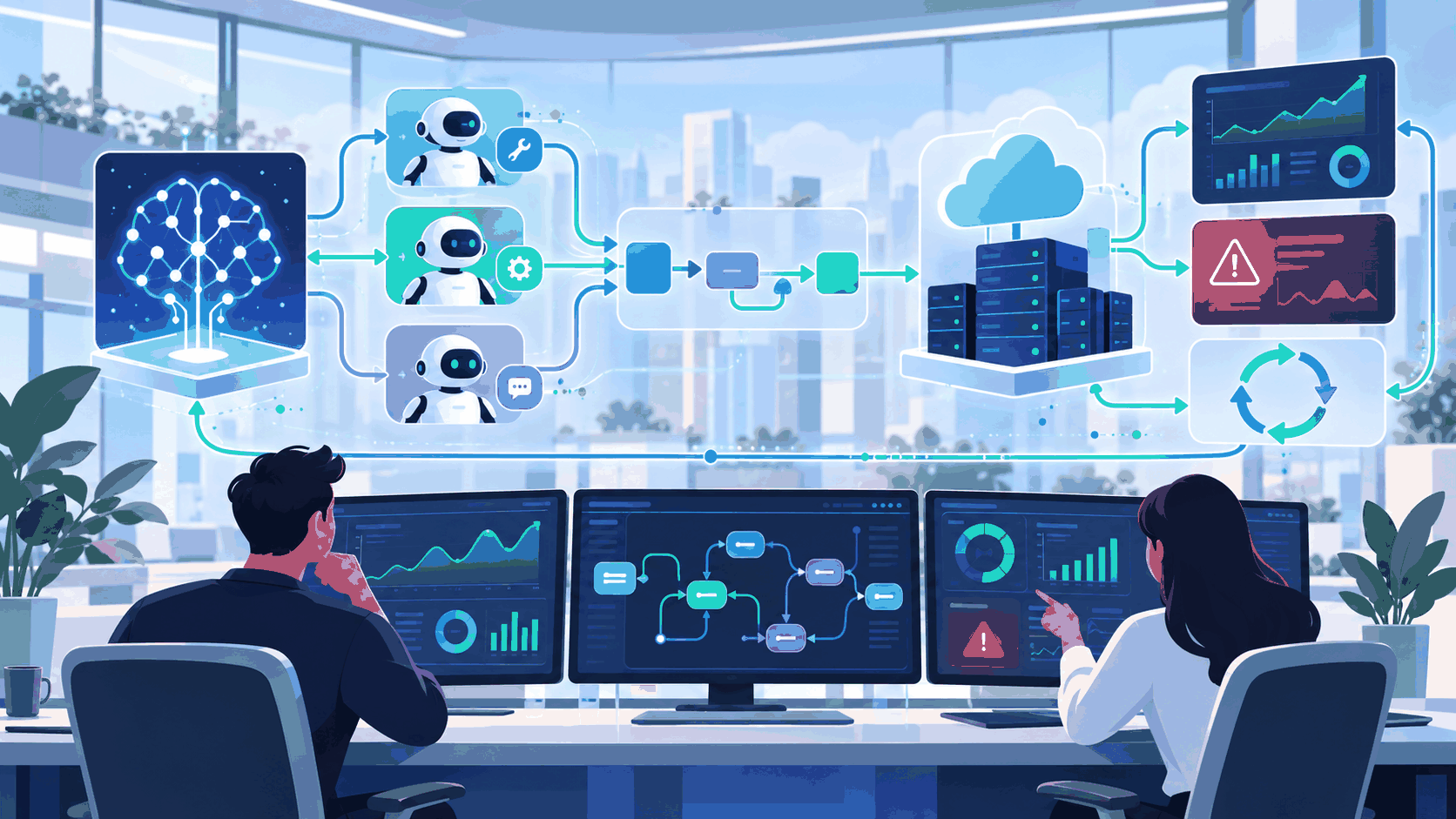
AI continuously monitors, detects weak signals, and sets priorities. Technical teams, meanwhile, focus on analysis and decision-making. This is the logic behind our approach to AIOps consulting and observability: data is used to take action, not just to document an incident after it has already occurred.
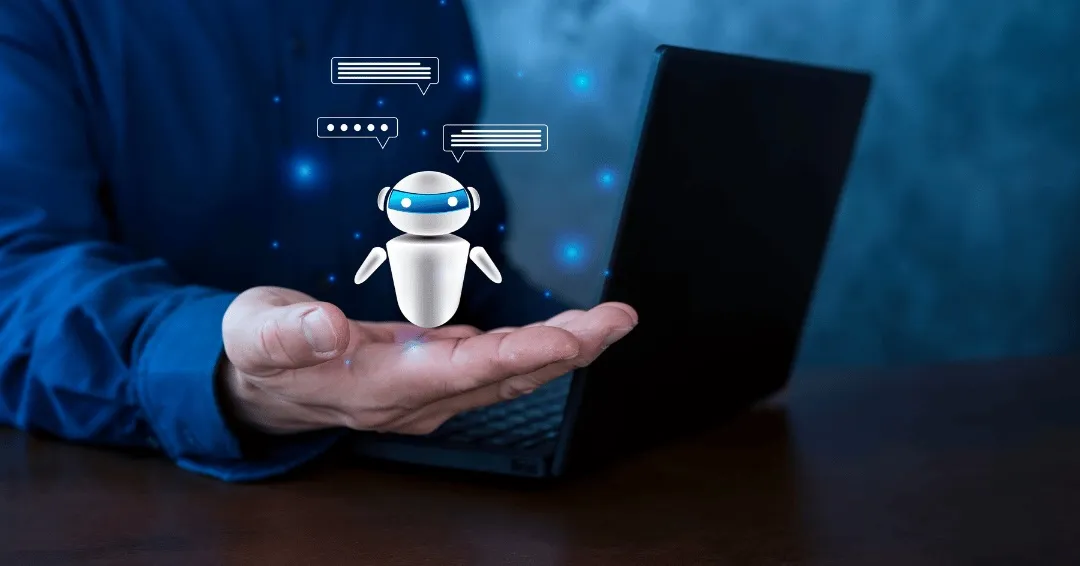
Helpy: AI for IT Systems Managed Services
At IT Systèmes, the AI agent Helpy handles some of the Level 1 support requests. Not all of them—and that’s by design: the goal isn’t to automate for the sake of automation, but to free up time to focus on complex cases and provide strategic support to clients.
The automated resolution rate observed among customers is around 60 percent. The discrepancy can be attributed to the nature of the infrastructure and the level of process standardization on the customer side; no two environments are ever exactly alike.
Managed security falls within the scope of IT outsourcing
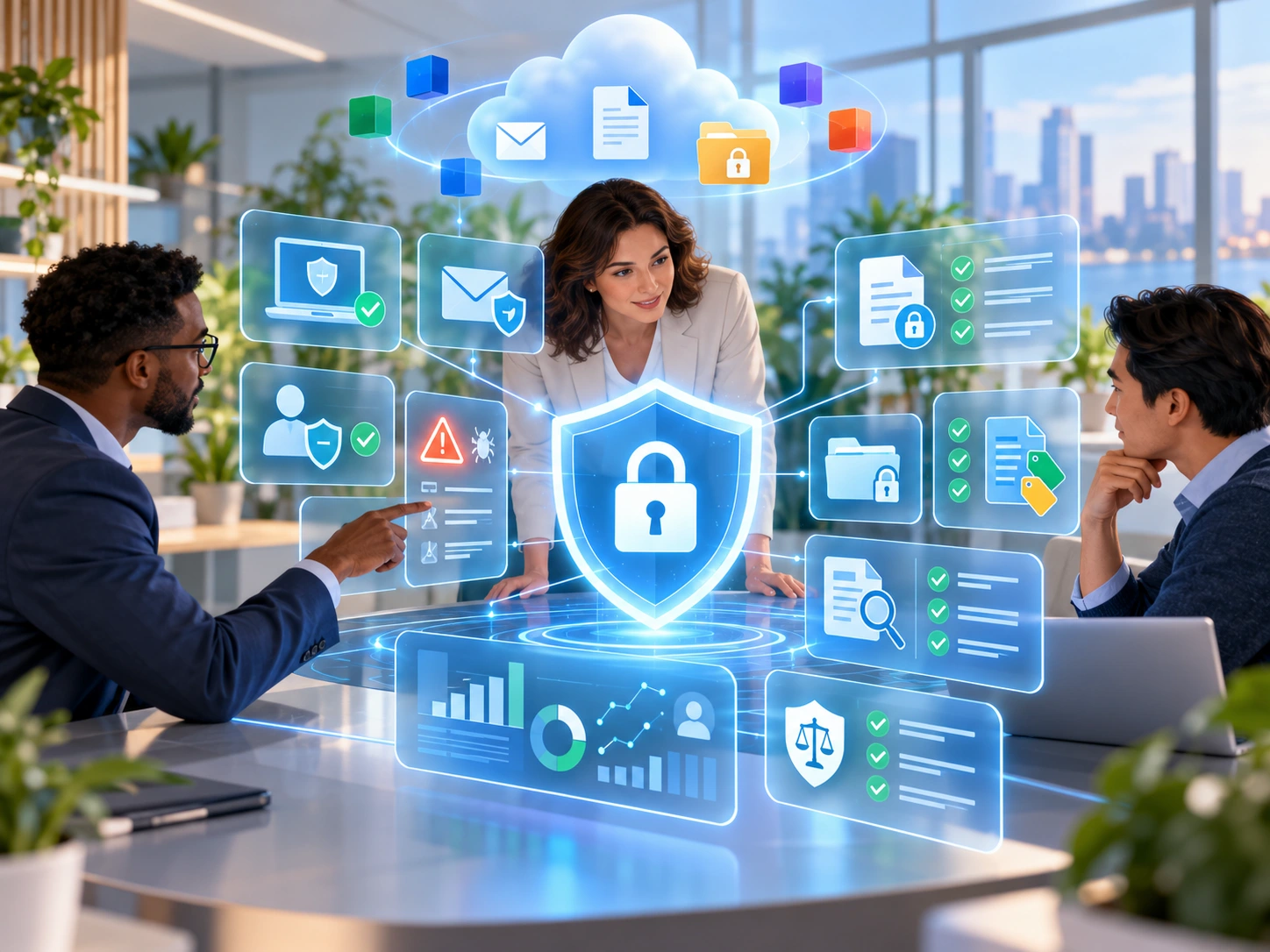
IT outsourcing is no longer limited to system availability. Managed SOC, identity and access management, and advanced threat detection: these components, which were long sold separately, are now directly integrated into the offering.
There are two reasons for this. First, cyber threats are increasingly targeting small and medium-sized businesses and mid-sized companies, which had long been spared because attackers had no interest in them. Second, the NIS2 Directive expands the number of organizations subject to enhanced cybersecurity requirements—companies that, until recently, were not affected.
IT Systèmes accompagne ses clients sur cette mise en conformité via son offre NIS2 dédiée ; elle est elle-même certifiée ISO 27001 par AFNOR Certification pour ses activités de conseil, de réalisation de projets, de sécurité et d'infogérance.
What This Means for Small and Medium-Sized Businesses and Mid-Sized Companies
Issues are detected earlier, before they affect production. Common incidents are resolved more quickly, thanks to automation at the first levels. And security expertise—previously reserved for large corporations with their own in-house SOCs—is now accessible.
Conclusion
Managed services are evolving into a blend of automation and human expertise, where each does what it does best: AI handles the volume, and humans make the final decisions. At IT Systèmes, this translates into two specific initiatives: Helpy for the intelligent automation of operations, and the integration of managed security into the IT outsourcing scope, in direct response to NIS2 requirements.
Frequently asked questions
What is smart IT outsourcing?
Un modèle où l'intelligence artificielle traite les volumes de données en temps réel, supervision, détection, premiers niveaux de résolution, pendant que l'expertise humaine se concentre sur l'analyse et la décision. Elle remplace peu à peu le modèle traditionnel centré sur le traitement réactif des tickets.
How is AI integrated into managed IT services at IT Systèmes?
Through Helpy, an AI agent that handles a portion of Level 1 requests. The automated resolution rate observed among customers is 60%.
Why is managed security now part of IT outsourcing?
The NIS2 Directive extends cybersecurity obligations to a wider range of organizations, including small and medium-sized enterprises (SMEs) and mid-market companies. In response to the rise in cyber threats, managed IT services now include offerings that were previously sold separately: managed SOC, identity management, and advanced detection.
Is the human-AI hybrid model replacing technical teams?
No. The AI handles volume and real-time detection. Root cause analysis, strategic decisions, and customer relations remain the responsibility of the teams.




.svg)