.svg)
Hypermanagement is IT outsourcing enhanced by artificial intelligence: the comprehensive management of an SME or mid-sized company’s information system (support, monitoring, security, cloud), in which a growing portion of operations—starting with Level 1 support—is automated by AI agents under human supervision. The term was coined by IT Systèmes.
Hypermanagement combines three elements: an AI support agent (Helpy), 24/7 monitoring via a SOC, and AI-accelerated custom development (“hyperdevelopment”).
In other words: everything a good managed services provider does, but with AI handling the repetitive tasks so that experts can focus on what really matters. For details on what comprehensive managed services cover and what has changed in 2026, read our 2026 SMB Managed Services Guide; for technical details on AI applied to operations, read “What Is AIOps?”. This page focuses on what hyper-managed services actually add.
Why Traditional IT Outsourcing Is No Longer Enough
Traditional IT outsourcing is based on a simple model: a team processes support tickets manually during business hours. This model is reaching its limits. Routine requests—such as password resets, VPN access, and account unblocking—clog up the queues and tie up technicians in tasks that add no value, while truly critical issues are left waiting.
Hypermanagement addresses this imbalance by automating whatever can be automated, without ever removing the human element from the process. AI does not replace technicians; it takes on the repetitive tasks to free up their time.
The Three Pillars of Hyper-Management
1. AI-Enhanced Support (Helpy)
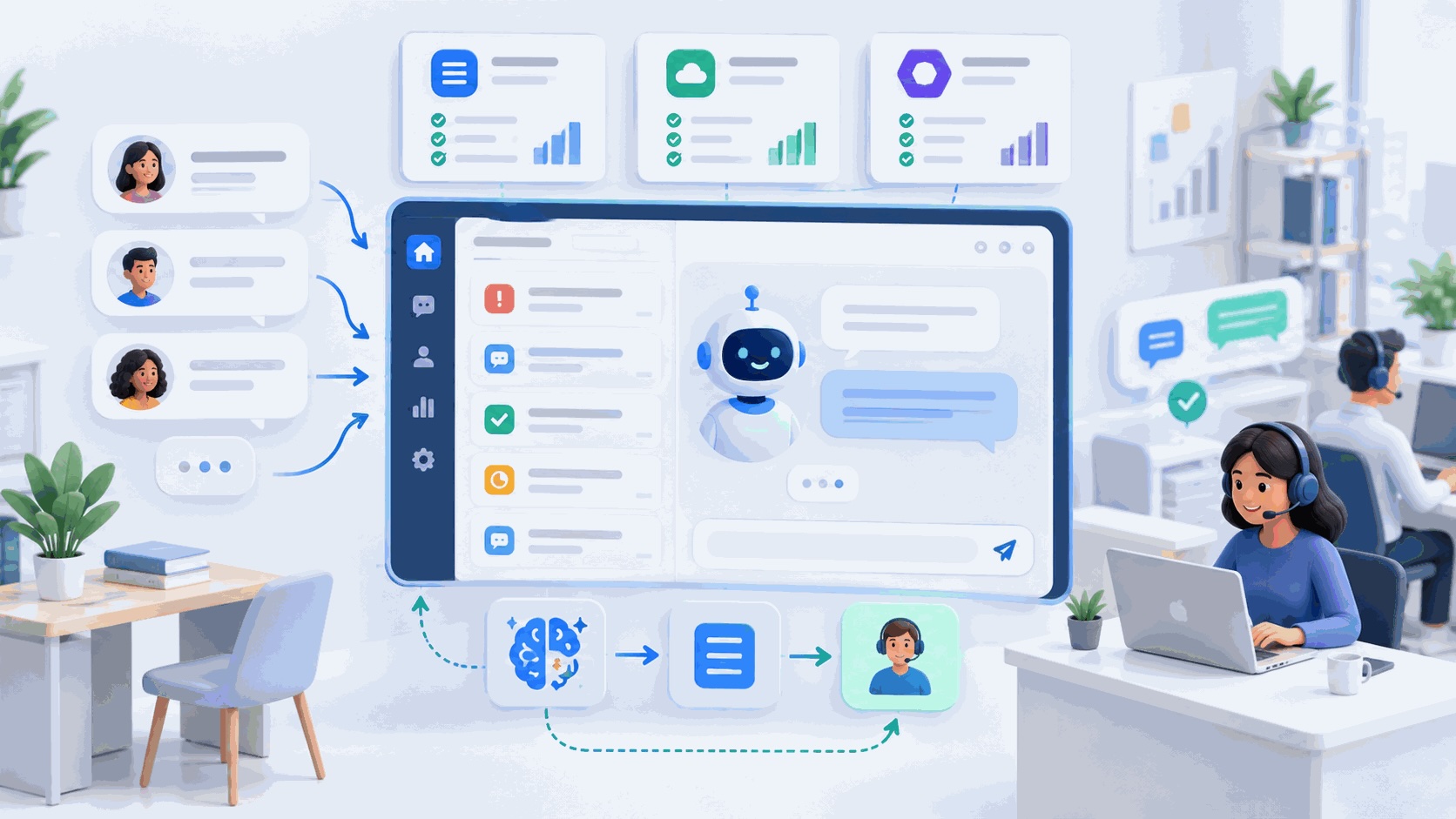
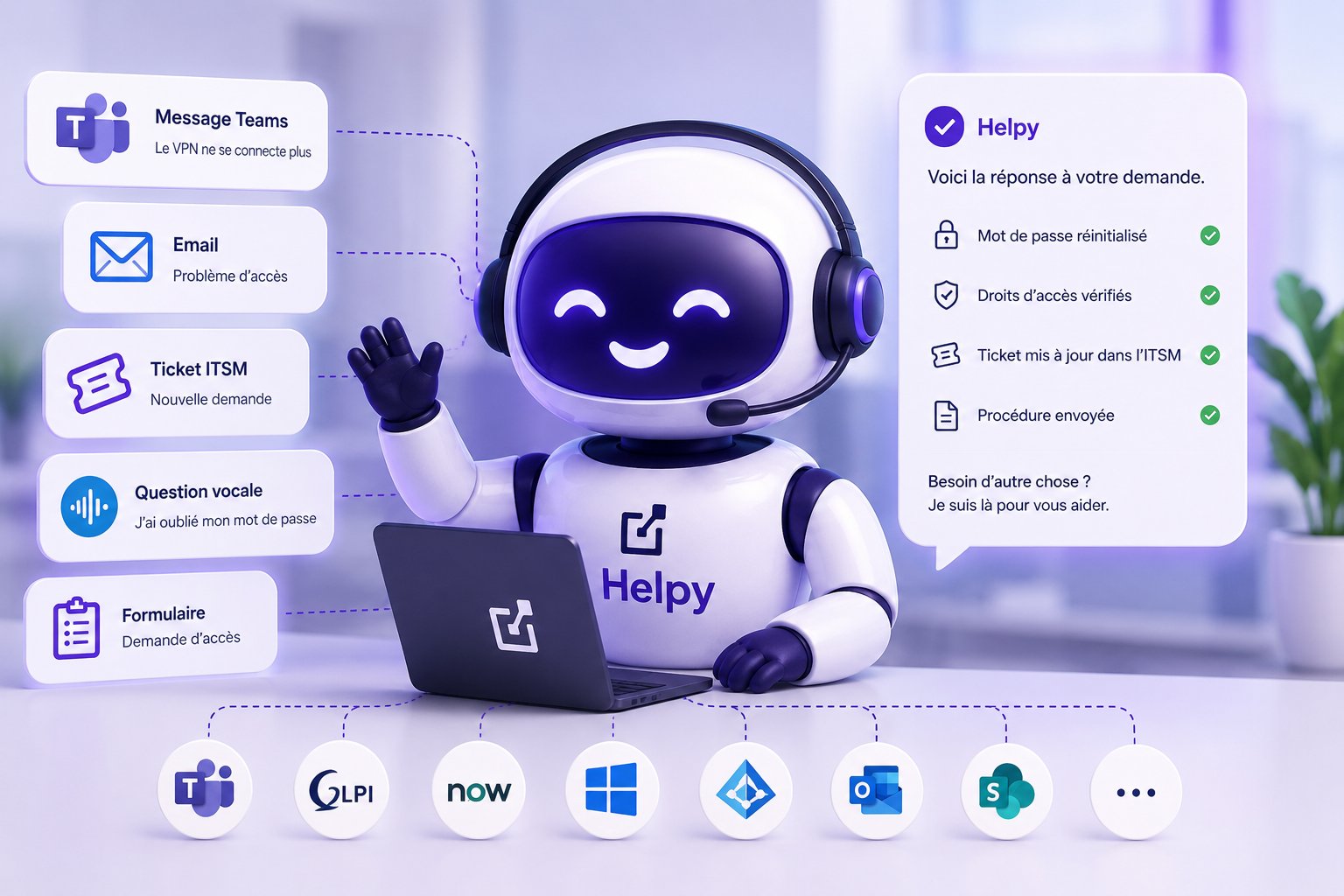
At the heart of hypermanagement is Helpy, the AI support agent developed by IT Systèmes: it understands the request, retrieves the answer from the knowledge base, and performs the action in the information system. For sensitive actions, it makes a recommendation, which a technician then approves.
Results measured based on our own managed services: Helpy resolves 60% of Level 1 tickets on its own. The agent’s full functionality is detailed in our help desk guide and in the post-deployment review of its internal implementation.
2. 24/7 monitoring and security
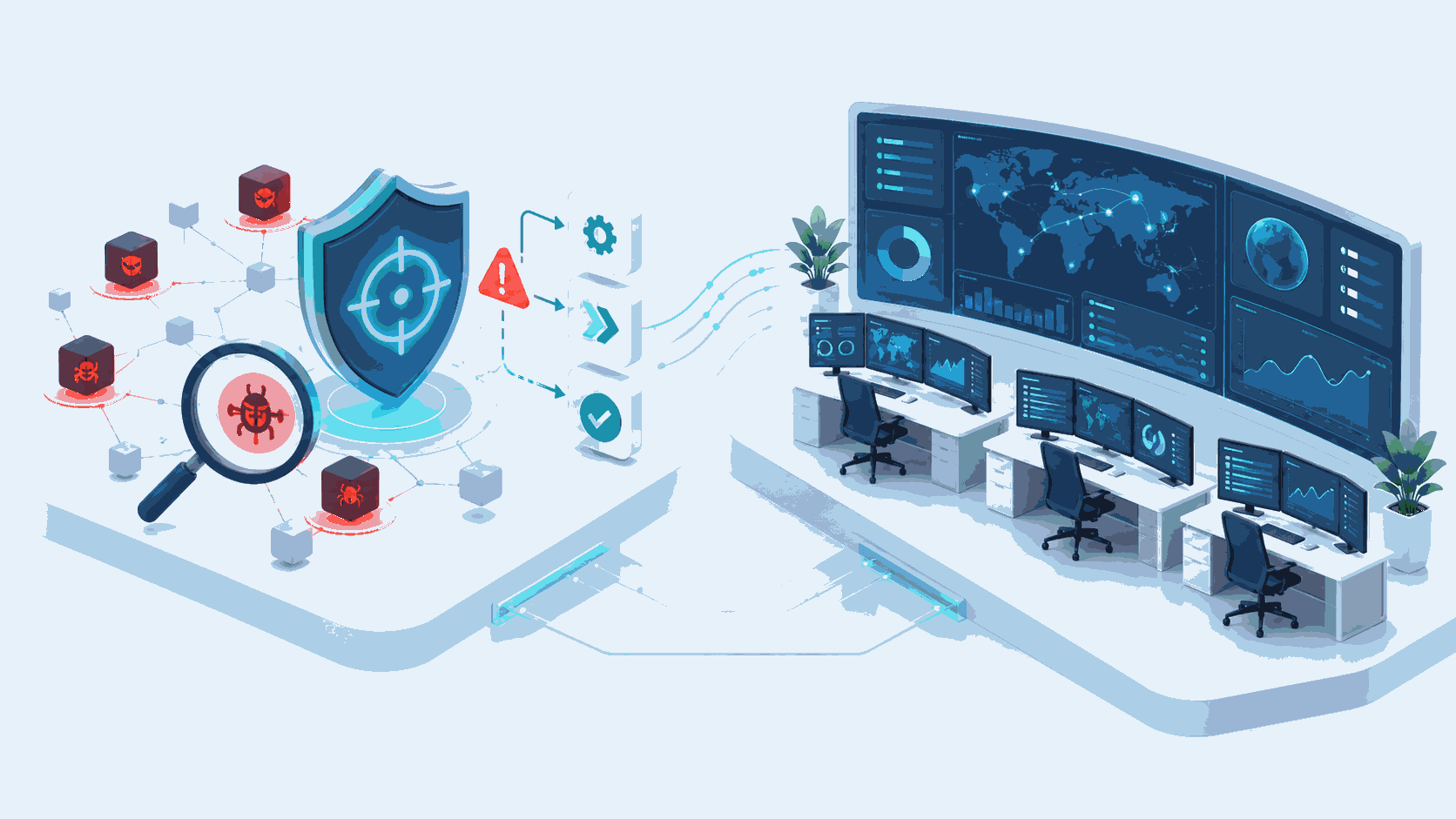
Hypermanagement incorporates security by design, not as an optional feature. Infrastructure monitoring is continuous, and a 24/7 managed SOC ensures threat detection and response. Compliance (ISO 27001 certification process underway, NIS2, GDPR) is part of the foundation, not an add-on module.
3. Developments Accelerated by AI (Hyperdevelopment)
When a business need calls for custom development, hypermanagement relies onhyperdevelopment: generative AI handles the mechanical aspects of the code, testing, and documentation, under the supervision of senior experts. When it comes to code production, our AI agents reduce the time required by a factor of 10, a gain that translates into shorter timelines and lower costs. Details of the method can be found on our page dedicated to hyperdevelopment.
Hyper-Management vs. Traditional IT Outsourcing: The Differences
Six concrete differences:
- N1 Requests: Queue and manual processing in traditional IT outsourcing. With hyper-outsourcing: 60% automated by AI.
- Monitoring: working hours on one side; 24/7 with a SOC on the other.
- Security and compliance: optional and customizable on one hand; integrated (ISO 27001 certification process underway, NIS2, GDPR) on the other.
- Custom development: outsourced and slow under traditional IT outsourcing. With hyperdevelopment: carried out in-house, with code production time reduced by a factor of 10.
- Approach: reactive, following a failure on one side; proactive and enhanced by AI on the other.
- Commitment: a fixed term on one side; no commitment to a fixed term on the other.
Details, including deployment options: our managed IT services offering for small and medium-sized businesses.
Who is it for?
Hypermanagement is designed for small and medium-sized businesses (SMBs) and mid-sized companies operating in a Microsoft environment (Microsoft 365, Azure), whether or not they have an in-house IT team to manage their infrastructure, security, and cloud environment. For an SME without a CIO, this means fully managed IT services; for a mid-market company, it provides additional support that works alongside the internal team. In both cases, there is no minimum contract term.
Learn more about our managed services (MSP).
FAQ
What is micromanagement?
Hypermanagement is IT outsourcing enhanced by artificial intelligence: the comprehensive management of an SME or mid-sized company’s information system (support, monitoring, security, cloud), in which an increasing portion of operations—starting with Level 1 support—is automated by AI agents under human supervision. The term was coined by IT Systèmes.
What is the difference between IT outsourcing and hyper-outsourcing?
Traditional managed services handle requests manually, during business hours, with a reactive approach. Hypermanagement automates Level 1 support using AI (60%), adds 24/7 monitoring with a SOC, incorporates security and compliance, and accelerates custom development—all without a minimum contract term.
Is AI replacing technicians?
No. AI handles repetitive, low-value tasks; technicians remain in control, supervise the agent, and handle anything that requires human expertise.
What is Helpy?
Helpy is the AI support agent developed by IT Systèmes. It understands a user's request, searches the knowledge base for an answer, and performs the action in the information system, subject to human approval for sensitive operations.
Is outsourced IT management a good fit for an SME without an IT team?
Yes. For an SME without an IT director, managed IT services cover all IT needs for a predictable monthly cost and with no long-term commitment. For a mid-sized company that already has an in-house team, it provides additional support.
Is hyper-management secure and compliant?
Yes. Security is built in from the design phase, with 24/7 monitoring, a managed SOC, compliance with NIS 2 and the GDPR, and an ongoing ISO 27001 certification process.




.svg)